Vampires of TucsonIn production

Feature Film / Sonoran Gothic

Cactusflower

Four hundred miles. Four feet short.

After the Levantadas reach Tucson. Before Rocket and Trip.

A girl is given a family that loves her, and it does not help. What she wants is to go home to her father, and she cannot, because she would kill him.

A feature-length tragedy from the Vampires of Tucson series, and a vampire film in which nothing supernatural is the problem. Every single thing that happened to her was decided by a person.

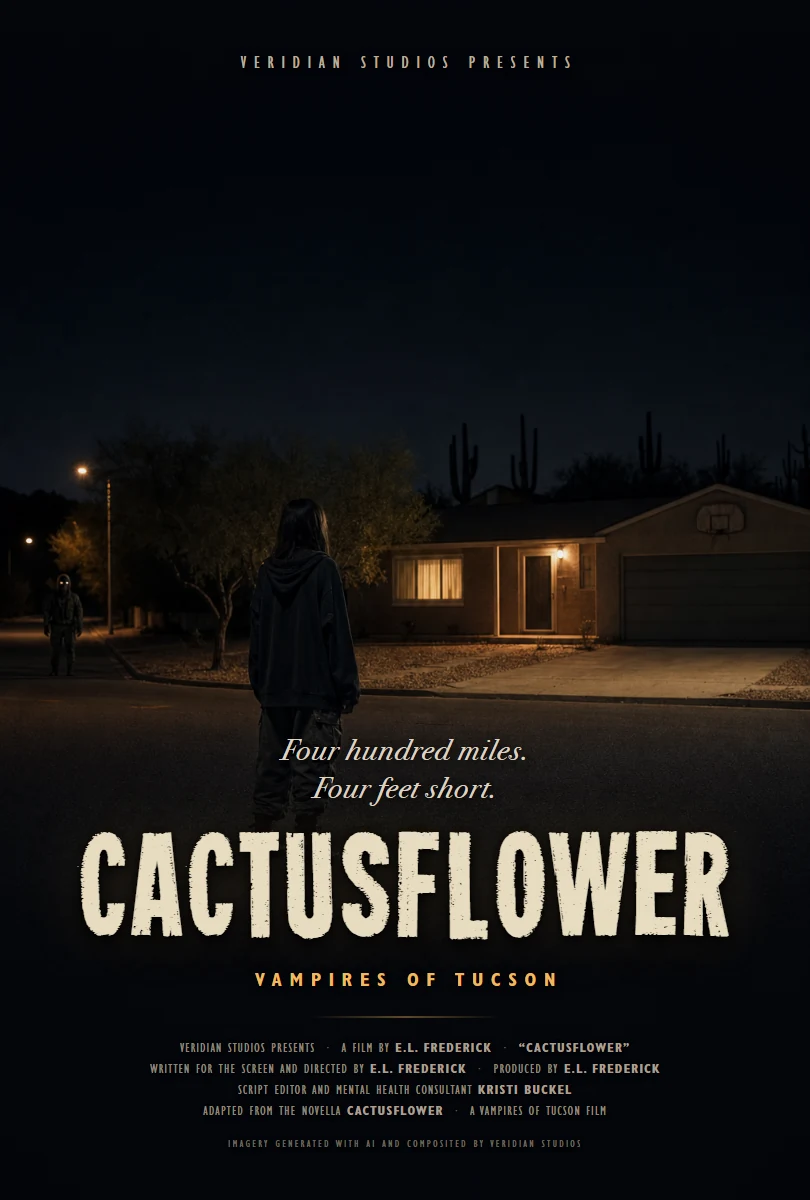
Cactusflower - a Vampires of Tucson film. One-sheet poster.

Opening concept. The first thing the film shows you is a bicycle.

The Picture

Feature
Format
Feature, approximately 100 minutes
Status
In production. Screenplay being edited, currently at 109 pages, 68 scenes.
Written and directed by
E.L. Frederick
Adapted from
The novella Cactusflower, ten chapters
Placed
After the Levantadas reach Tucson, before Rocket & Trip

The Story

Synopsis

She left a house in California at night with a backpack and no plan, walking away from an argument she had heard too many times before, headed for Tucson and the one parent who actually wanted her. She got as far as a car that stopped for her on Interstate 8. She reached Tucson in the end. She did not reach it alive.

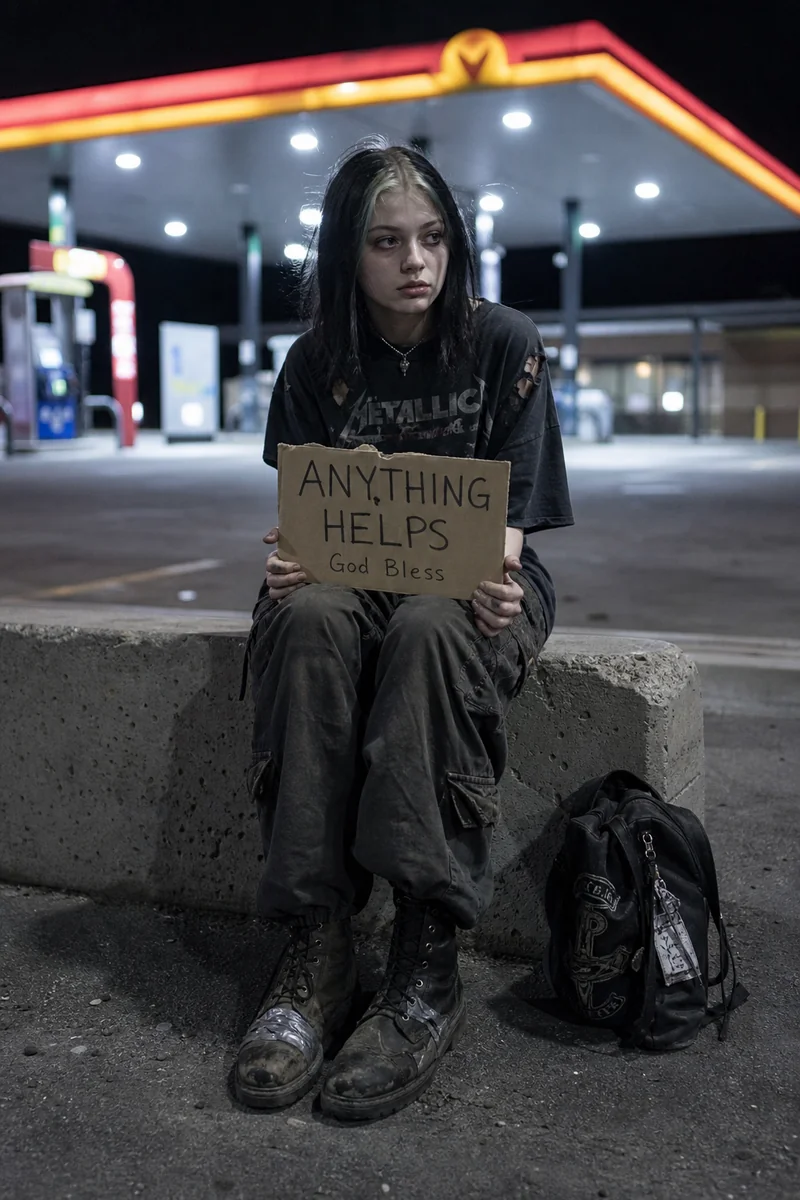
Four months later she is sitting on a concrete barrier outside a truck stop on Alvernon with a cardboard sign, eighteen years old, four months dead, eleven miles from her father’s front door. Rocket finds her there and offers her the only thing she has to give: a house on Waverly Street, five girls who came up the same road, and a promise that she will never have to beg anyone for anything again.

They are good to her. When their kindness keeps landing wrong, they rewrite their own house around her rather than ask her to adjust, and it works a little, in small ways, slowly. Meanwhile her father keeps the porch light on. And the closer the girls get to making her one of them, the clearer it becomes that being theirs means agreeing never again to be his.

Cactusflower does not argue that love is not enough. It works out, one step at a time, exactly where love runs out.

Content note. This is a tragedy and it earns the word. The film deals with trafficking, the exploitation of a girl by the men who used her, post-traumatic stress that does not resolve on any schedule, and suicide. None of it is decorative. Kristi Buckel, MFA, and MS in Clinical Mental Health Counseling, is credited as script editor and mental health consultant because a film about this needed someone reading it who knows the subject.
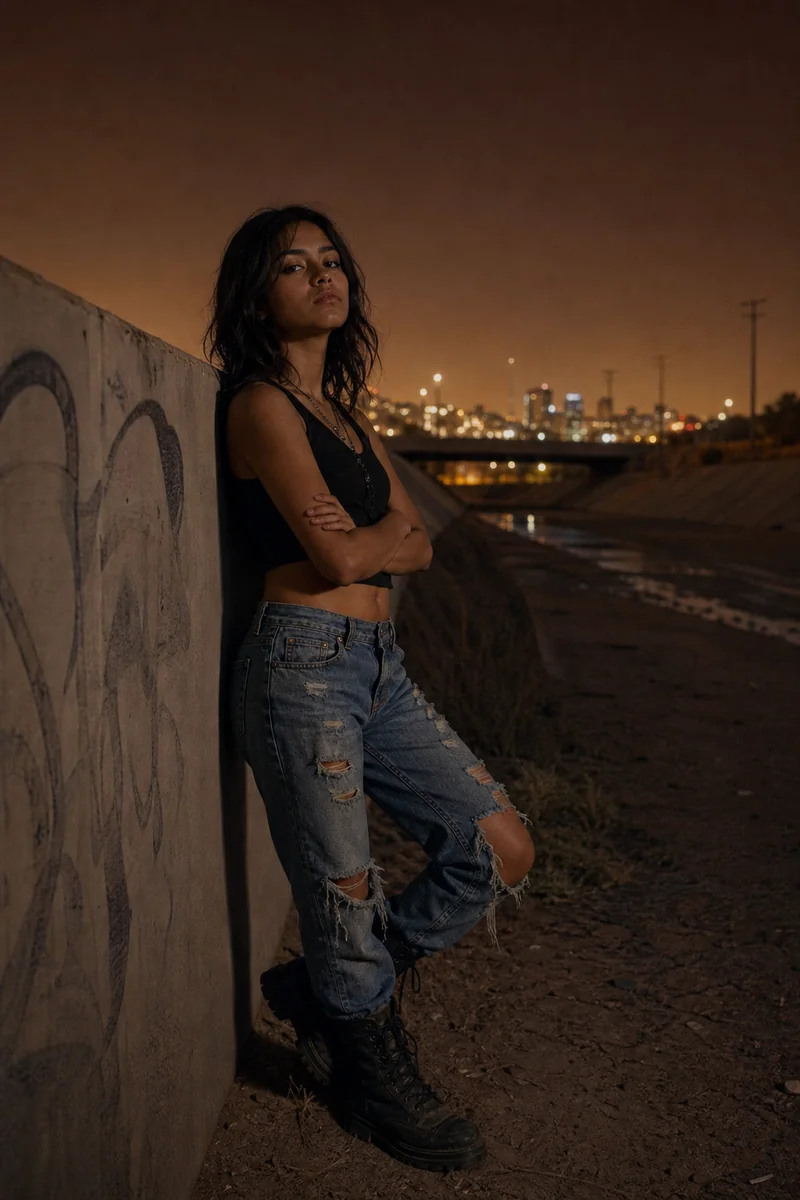
Who Is In It

Nine

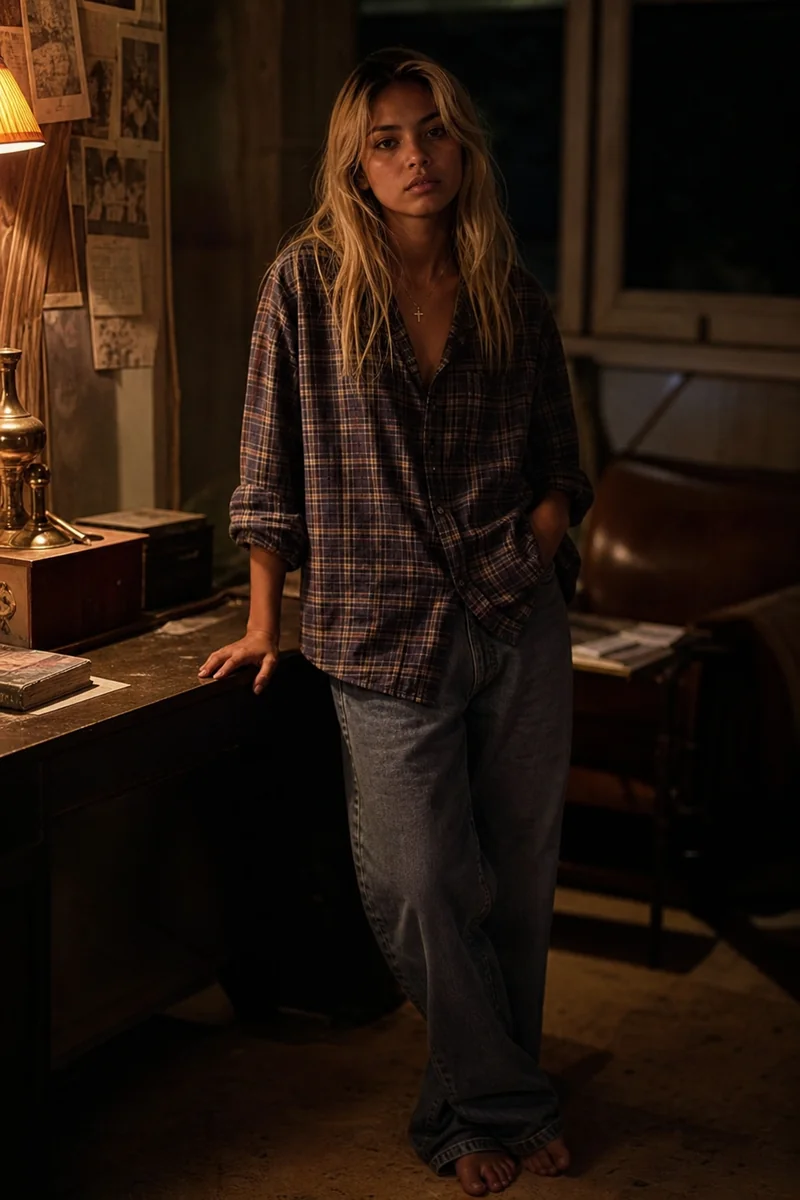
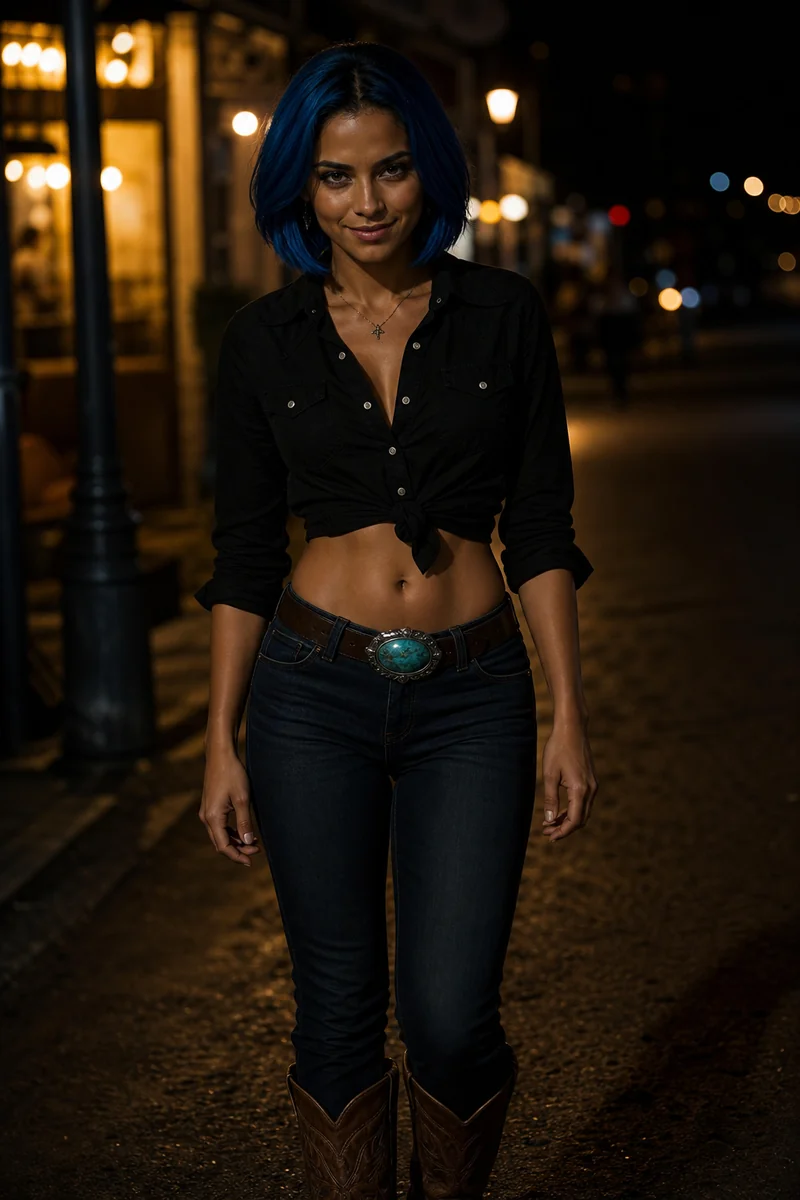
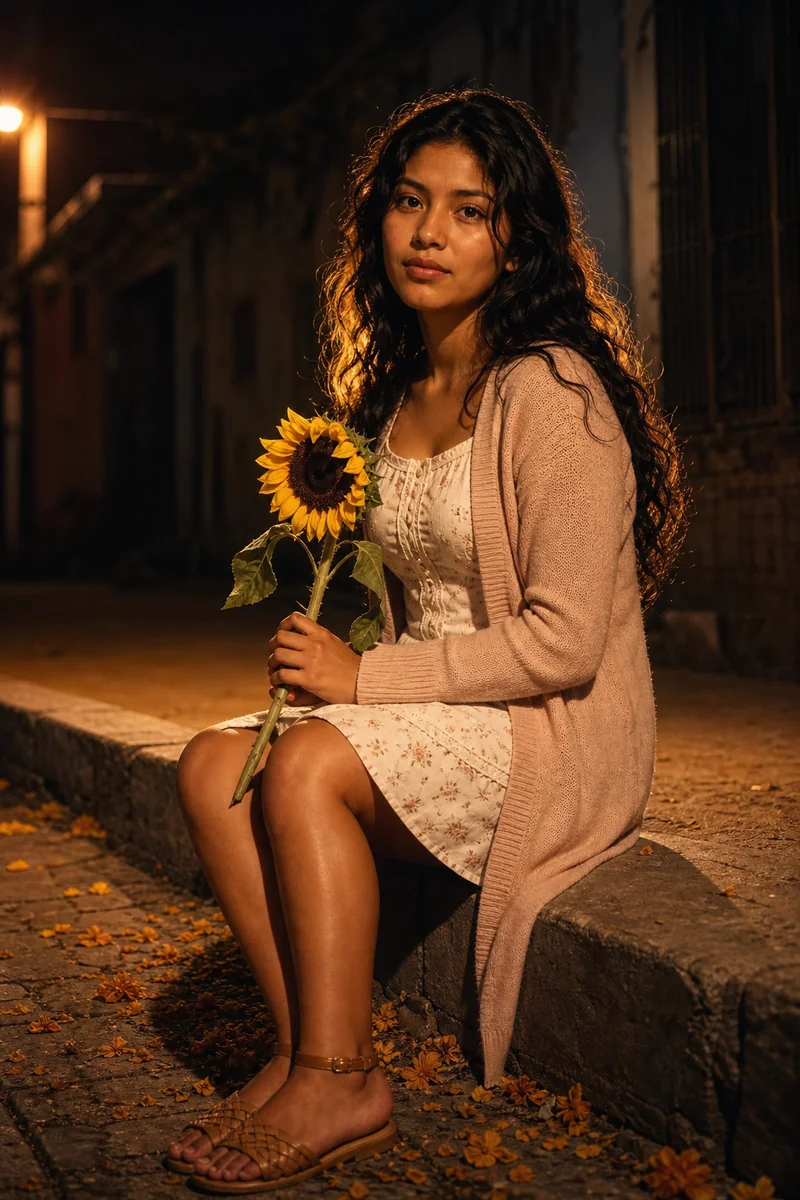
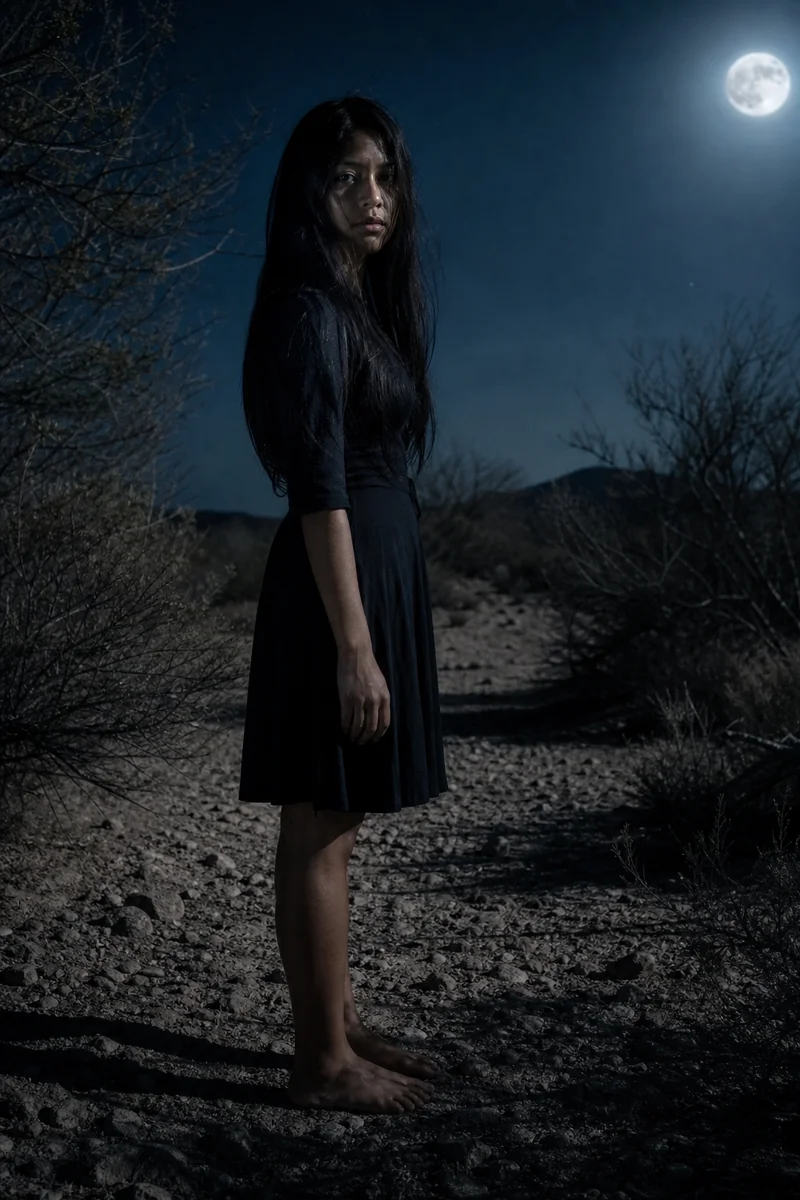
The casting reel. Every face in the film, built once and then held to.

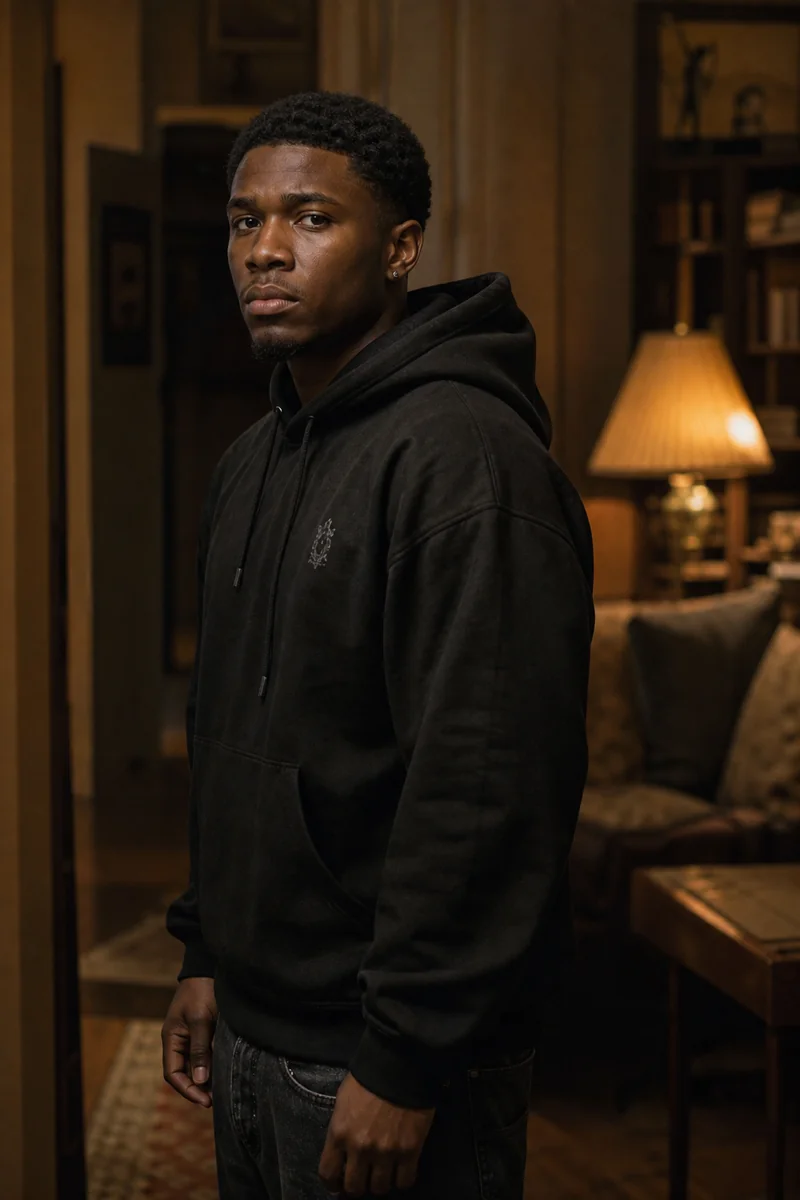
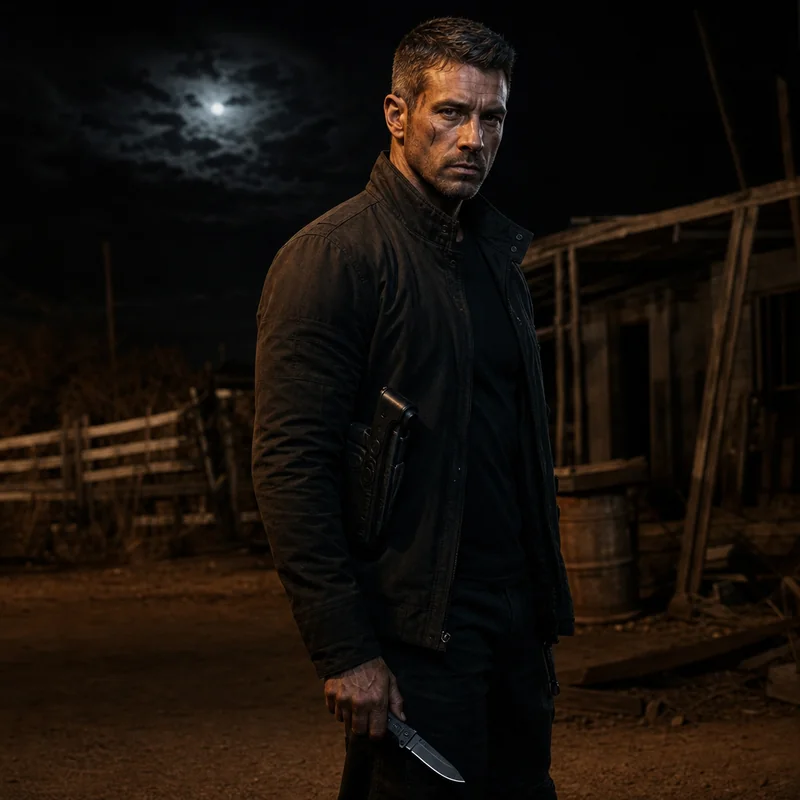
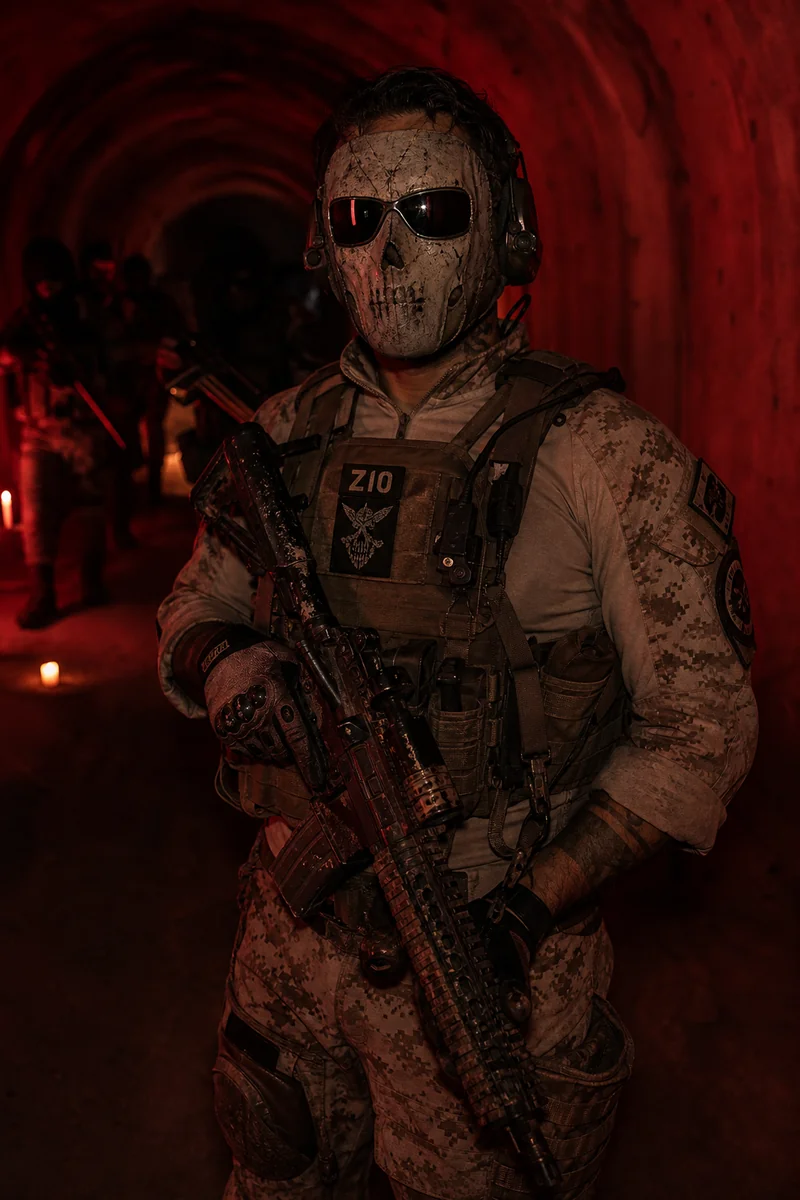
Cactusflower Cactusflower Eighteen, four months dead, four hundred miles from the only home she ever wanted. Rocket Rocket Finds her at the truck stop and brings her home. She is the one carrying the story. Babydoll Babydoll Leads the house on Waverly. Changes the house rather than ask the new girl to change. Blondie Blondie Hears her own sire’s words come out of another girl’s mouth. They were made by the same man. Marigold Marigold Keeps the candles lit and the pressure off. The last shot of the film is hers. Copal Copal Sits where she can see the room, and the hands in it. She always has. Ray King Cross Ray “King” Cross The man in the kitchen doorway. Never in the room, never quite out of it. Warren Sterling Warren Sterling Comes to the house once, on business. Hugs her exactly the way her father used to. Teniente Muerte Teniente Muerte Masked, in the dark, across a parking lot. Seen once. He is why any of this happened.

The First Ten Minutes

Storyboards

These are storyboard panels, not frames from a finished film. Nothing has been shot yet. They exist so the geography of a scene gets decided once and then held to: the same building, the same light, the same side of the road, shot to shot.

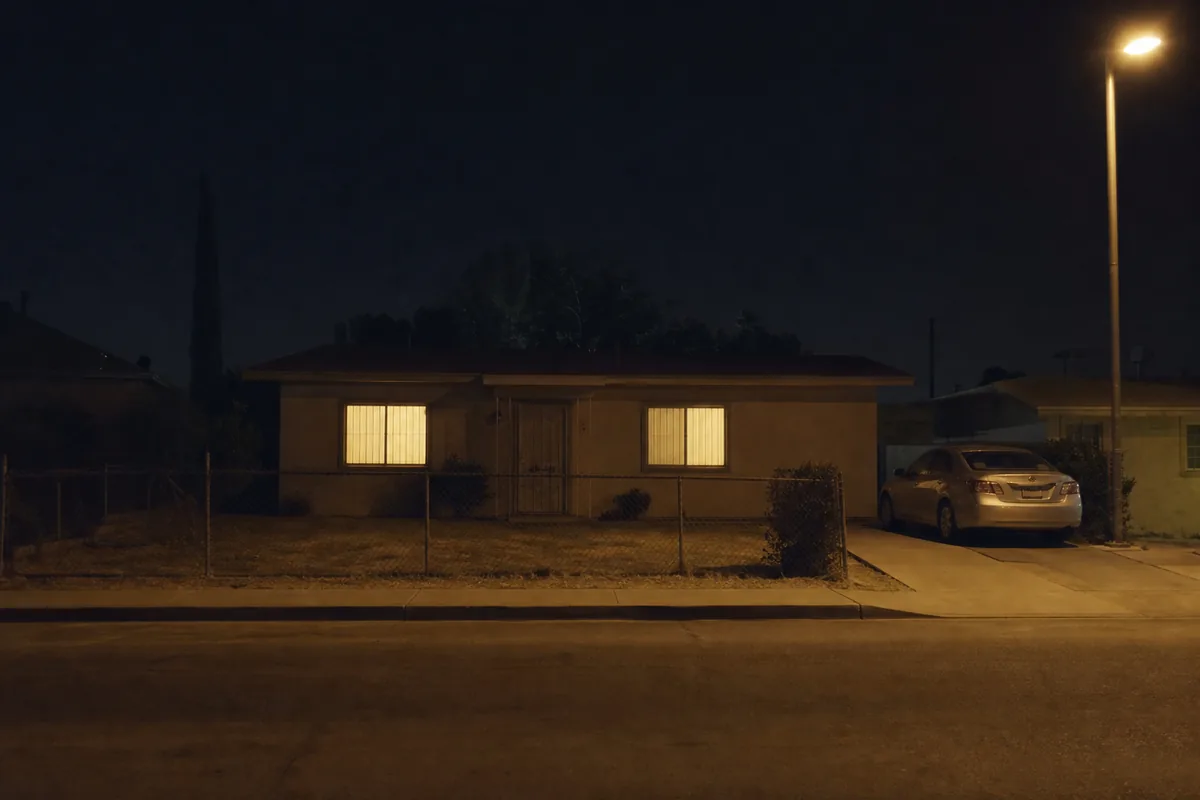
An ordinary house at night with two lit windows
CaliforniaAn ordinary house on an ordinary street. Two lit windows, and behind them the shape of an argument.
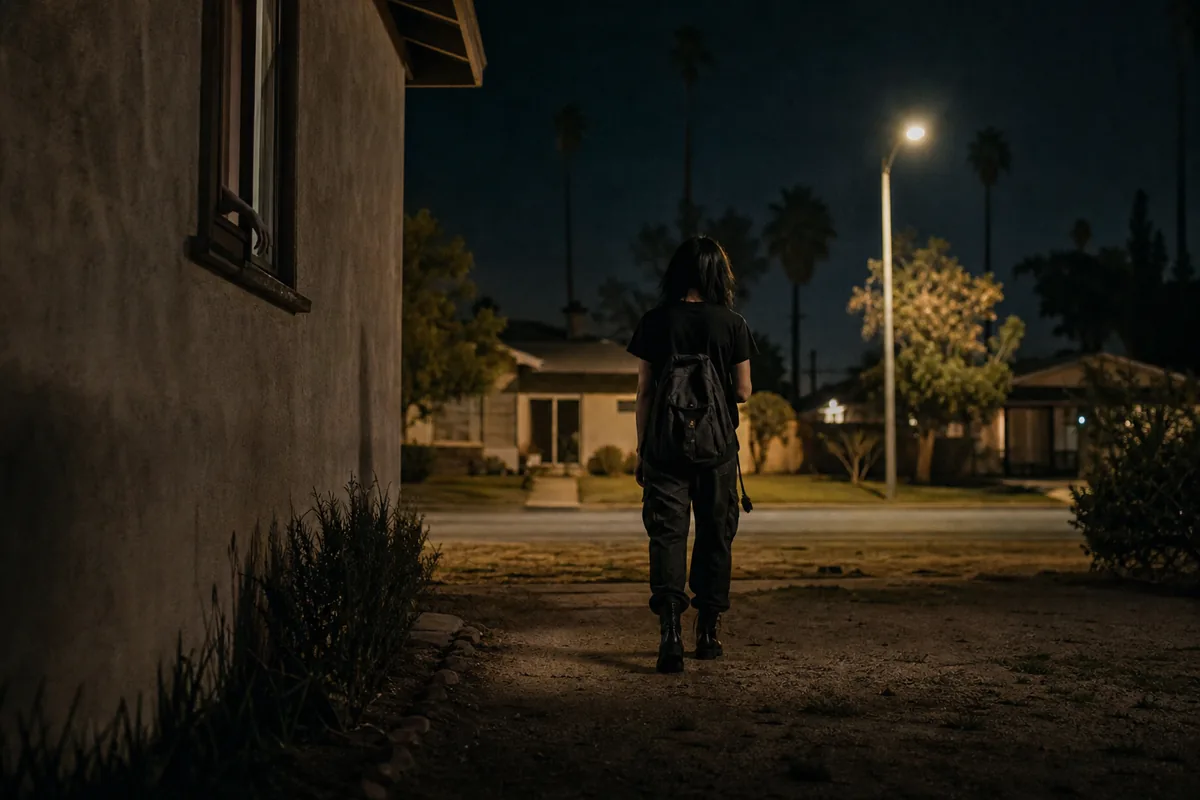
A girl walking away from a house at night with a backpack
The escapeA backpack goes out the side window. Then a girl. She picks it up and walks off without looking back.
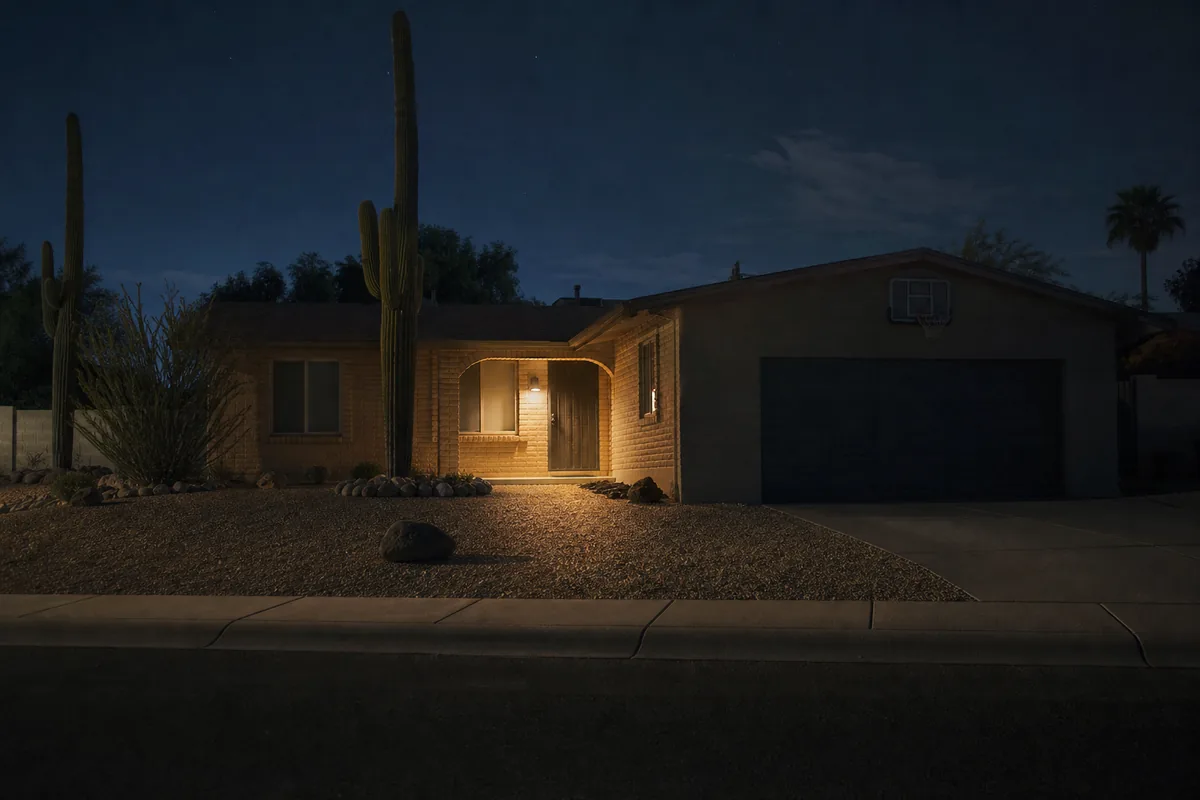
A Tucson house at night with the porch light on
TucsonThe same night, eleven miles from where she ends up. The porch light comes on. Nothing else in the picture changes.
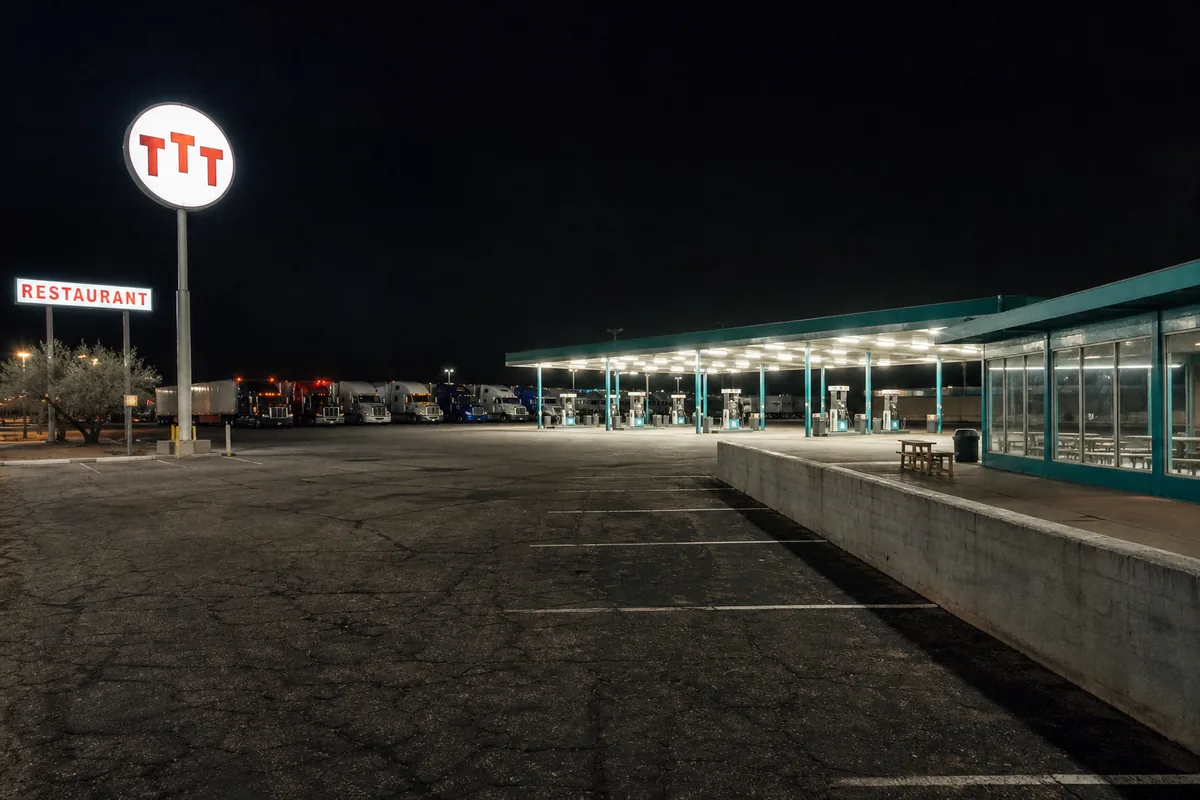
The Triple T truck stop at night
The plateThe Triple T, built once off the real truck stop on Alvernon. Every wide in the sequence comes out of this frame.
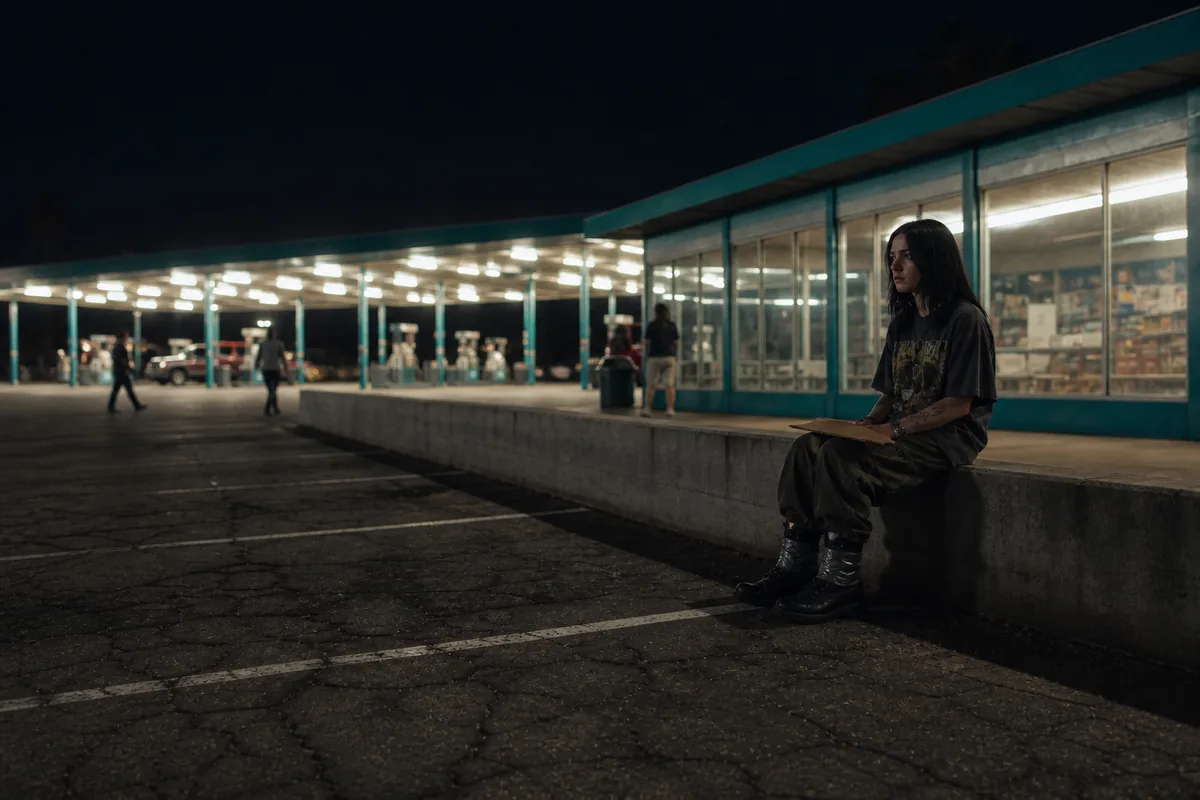
A girl sitting alone on a concrete barrier outside a truck stop
Four months laterA girl on a concrete barrier by the store entrance. Thin. Too still. Not fidgeting the way living bodies fidget.
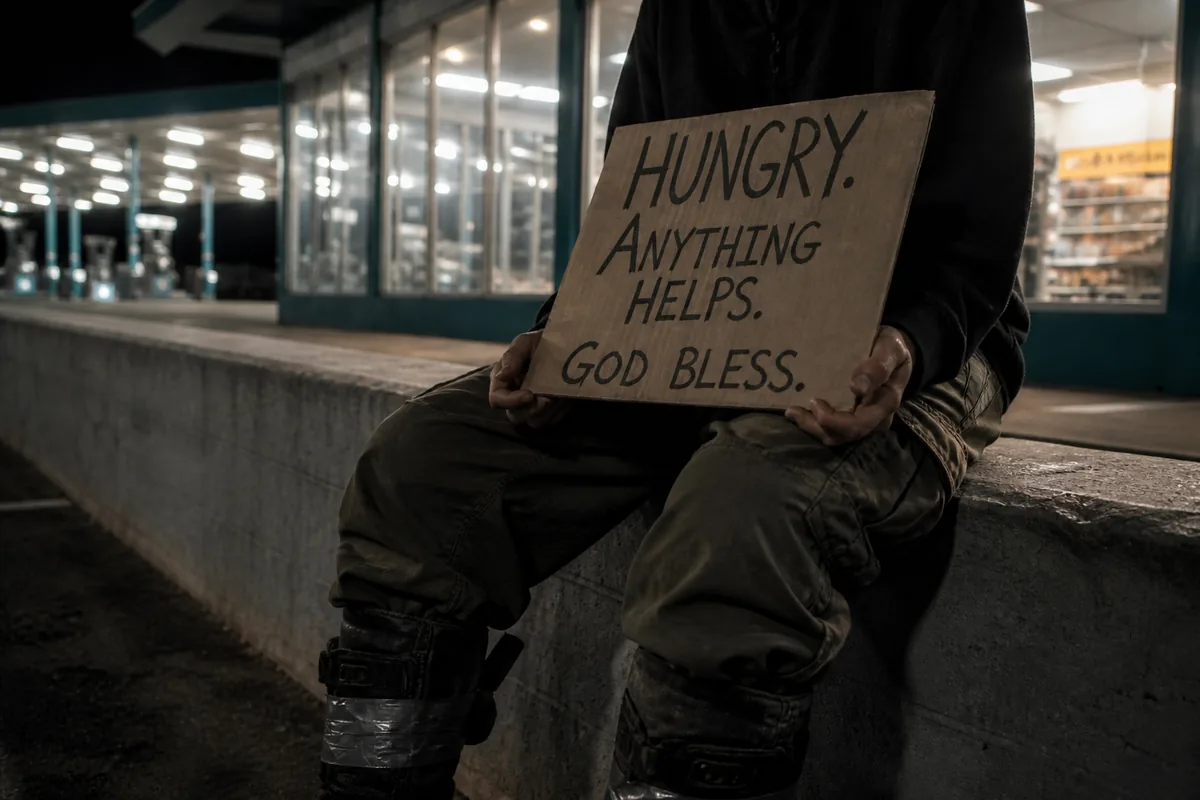
A cardboard sign reading HUNGRY, ANYTHING HELPS, GOD BLESS
The signHUNGRY. ANYTHING HELPS. GOD BLESS. Not one thing it asks for is any use to her.
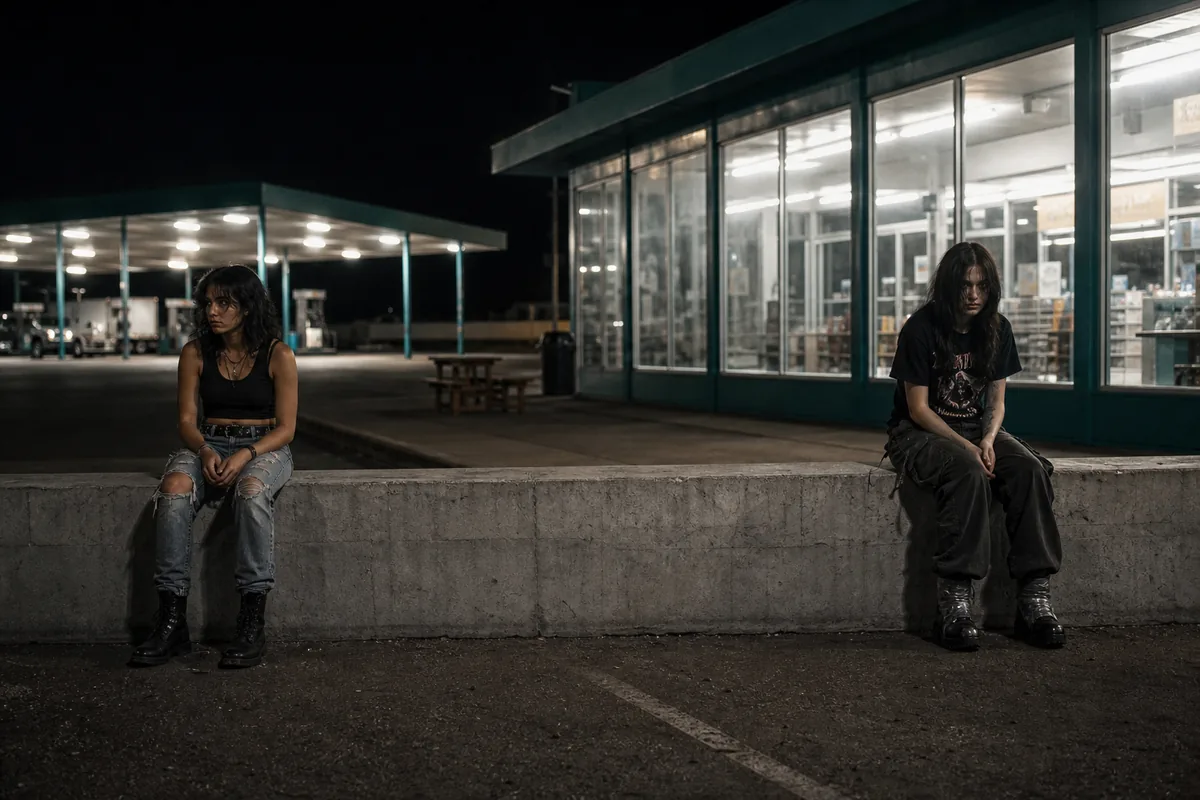
Two girls sitting apart on a concrete barrier at night
The offerRocket crosses slow with her hands visible, sits down on the barrier, and leaves a gap.
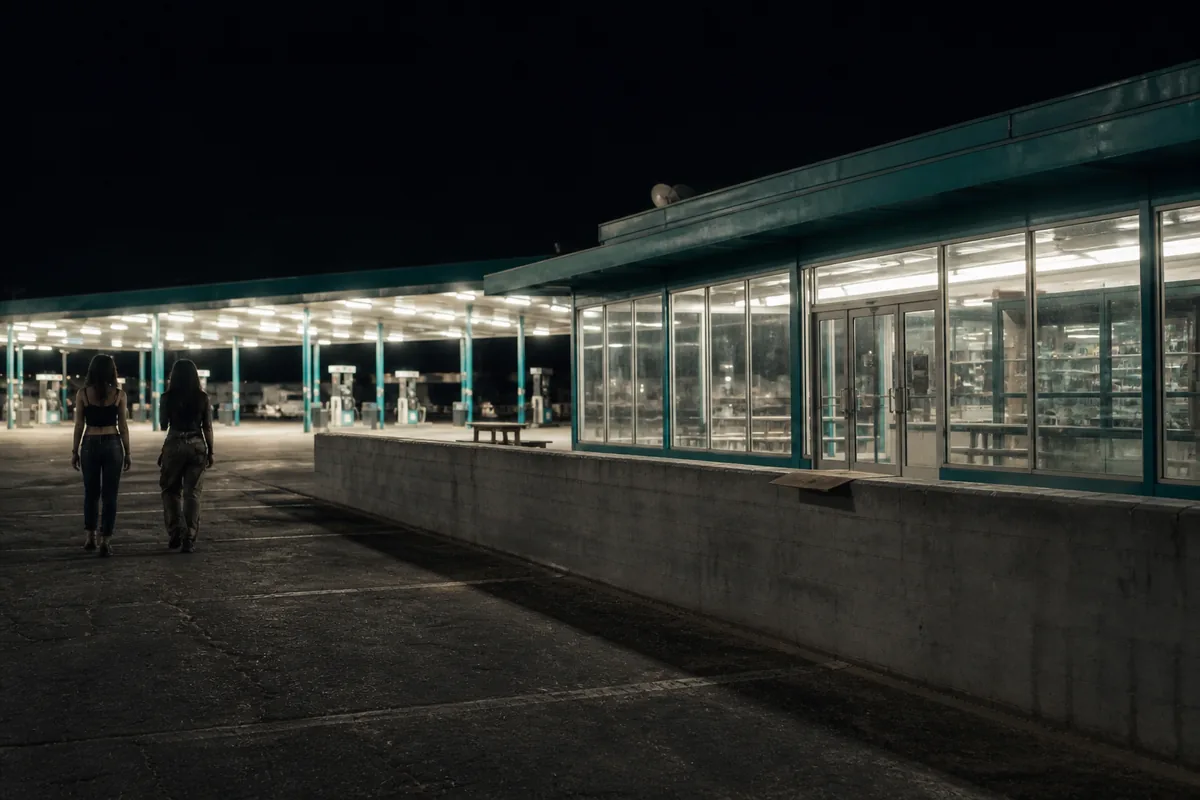
Two girls walking away across a truck stop apron at night
She says yesShe stands up and leaves the sign face down on the barrier. Nobody comes to pick it up.

How It Is Being Made

Production

The novella opens on Rocket, four months after the worst night of Cactusflower’s life. The film opens on the girl herself, four months earlier, with eight scenes that exist nowhere in the novella’s draft: a bicycle in a Tucson street at sunset, two lit windows in California with an argument behind them, a backpack going out a side window, a car that stops on Interstate 8, a motel in Nogales, and a porch light coming on in the city she is trying to reach. The adaptation added more than it took away.

One chapter is genuinely gone, a private investigator’s surveillance, and it went because it belongs to somebody else’s book rather than to hers. Everything else is compression, and it lands where compression should: the last three chapters carry over almost whole. The ending is intact, line for line.

What no amount of cutting could touch is the chain, which cannot be broken anywhere along its length without the ending turning into something merely bleak. She is trying to reach her father. The family is genuinely good to her, and it is genuinely working. A man arrives and hugs her exactly the way her father used to. After that it is arithmetic.

Where the film and the novella disagree, the film is not correcting the book. They are two tellings, and both of them are true.

Every image on this page was generated with AI and composited by Veridian Studios: the poster, the storyboard panels, the character plates. The film is being made the same way, shot by shot, against the script. It is written by a person, cut by a person, and decided by a person at every point where a decision gets made. The pictures come out of a machine, and this page says which machine.

Development assistance
Claude
Images
ChatGPT
Video
Google Flow
Music
Suno
Assembly
Adobe Premiere
Sound editing
Adobe Audition

Chemical Blue. Never shown in the film. She can smell it anyway.

What it was written to. Inputs, not analogies.

Veridian Studios presents · a film by E.L. Frederick · “Cactusflower”
Written for the screen and directed by E.L. Frederick · produced by E.L. Frederick
Script editor and mental health consultant Kristi Buckel, MFA, MS
Adapted from the novella Cactusflower · a Vampires of Tucson film Imagery generated with AI and composited by Veridian Studios

The film is in production. The series it comes out of is publishing now, a chapter at a time.